


Table of Contents
- What Makes Premium Streetwear Worth the Investment
- How to Tell If Clothing Is High Quality
- Premium vs Budget Streetwear: Where the Difference Lies
- Streetwear Cost Per Wear: The Real Investment Metric
- Streetwear Fit and Sizing Guide for Lasting Comfort
- Care, Longevity, and Resale Value
- When Premium Streetwear Isn't Worth It
- Frequently Asked Questions
Last Updated: October 10, 2026
What Makes Premium Streetwear Worth the Investment
Understanding why premium streetwear is worth investment reveals how it delivers lasting value through superior construction, quality materials, and timeless design. At 404Wear, we build pieces designed to become wardrobe staples, not disposable trends.

When you invest in premium streetwear, you're paying for fabric that breathes in Sri Lanka's heat, stitching that won't unravel after a season, and graphics that stay vibrant through countless washes.
How to Tell If Clothing Is High Quality
High-quality clothing reveals itself through measurable factors you can verify before buying. Use this checklist to evaluate construction, materials, and durability.
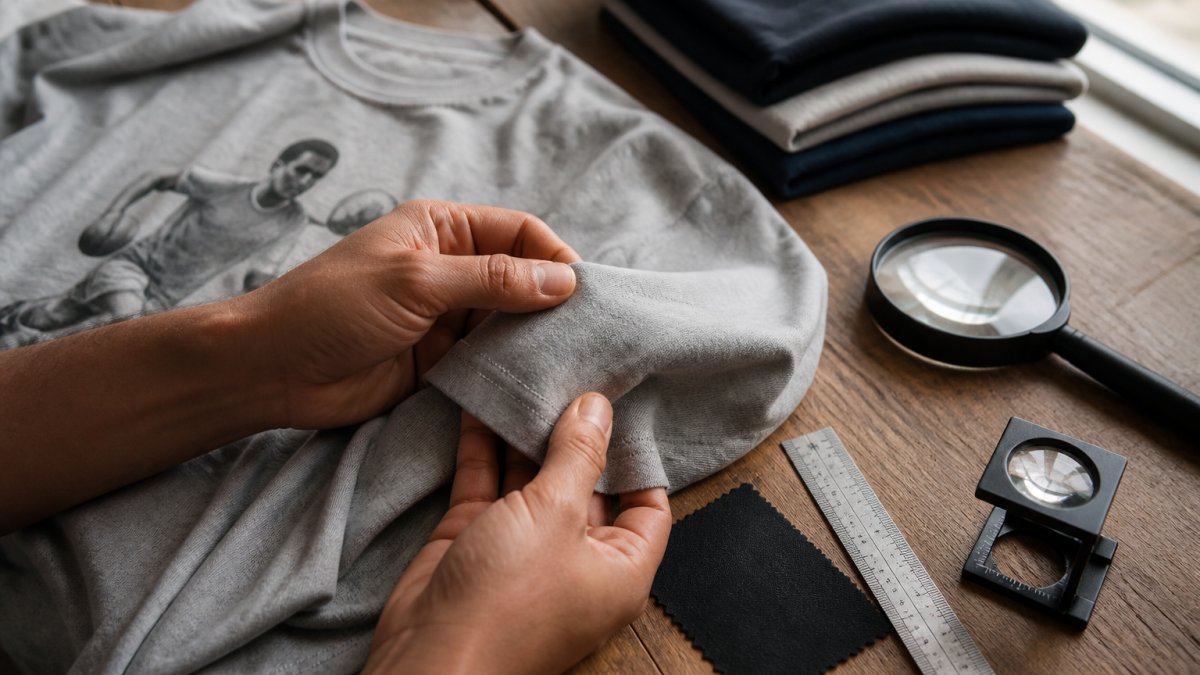
The Pre-Purchase Quality Inspection Checklist
Fabric Feel and Weight
- Pick up the garment. Premium pieces have noticeable weight and structure.
- Pinch the fabric between your fingers. Quality fabric resists wrinkling and springs back; thin fabric creases and stays creased.
- Check the fiber content tag for 220+ gsm weight or at least 50% cotton with polyester for durability in tropical climates.
Seam Integrity and Stitching Precision
- Run your finger along side seams, shoulder seams, and armholes. Look for straight, even stitching with no puckering, gaps, or loose threads.
- Check for reinforcement stitching at stress points (sleeves, side seams, hem). Premium pieces have double or triple stitching; budget pieces have single stitching that unravels.
- Examine collar and cuff edges for clean finishing with no fraying. A curled collar worsens with every wash.
- Flip the garment inside-out. Premium construction shows clean, parallel stitching on both sides; budget seams look chaotic or incomplete.
Print and Graphic Durability
- Feel the print. Thicker prints (screen-printed or embroidered) last longer than thin direct-to-garment prints.
- Look at print edges under natural light. Premium prints have clean, sharp edges; budget prints show bleeding or uneven color.
- Gently flex the garment where the print sits. Quality prints stay flexible; cheap prints crack and peel with movement.
Hem and Finishing Details
- Examine the bottom hem. It should be straight, even, and securely stitched.
- Look at tag attachment. Sewn tags stay put; glued tags fall off.
- Check drawstrings, zippers, or toggles. They should move smoothly and feel sturdy.
- Look inside at seam finishes. Premium pieces have serged or bound seams; budget pieces have raw, unfinished seams that fray immediately.
Fit and Proportions
- Put the garment on. Premium pieces are cut with attention to sleeve length, chest room, and body length.
- Raise your arms. Sleeves should move without pulling or bunching.
- Sit down. The garment should not ride up your back or pull at seams.
- Move side to side. The fit should feel intentional and comfortable, not restrictive.
What to Avoid: Red Flags in Budget Streetwear
- Loose threads hanging from seams or hems
- Puckered or wavy stitching anywhere on the garment
- Single-stitched seams at stress points (shoulders, armholes, side seams)
- Prints that feel thin, flat, or sticky to the touch
Premium vs Budget Streetwear: Where the Difference Lies
The gap between premium and budget streetwear comes down to three things: material investment, manufacturing precision, and design longevity. Premium streetwear uses higher-grade fabrics and stricter quality control, resulting in heavier, more structured pieces with precise stitching. Budget manufacturers prioritize speed over accuracy, showing in uneven stitching and inconsistent sizing. Premium streetwear focuses on timeless silhouettes; budget pieces chase trends aggressively.

| Aspect | Premium Streetwear | Budget Streetwear |
|---|---|---|
| Fabric weight | 220+ gsm | 140-160 gsm |
| Stitching | Double-reinforced, precise | Single-stitch, inconsistent |
| Print durability | 50+ washes | 10-15 washes |
| Shape retention | Holds structure | Stretches, warps |
| Lifespan | 2-3+ years | 3-6 months |
Streetwear Cost Per Wear: The Real Investment Metric
This is why premium streetwear is worth investment: cost per wear flips the price conversation. A premium piece at LKR 3,800 worn 100 times costs LKR 38 per wear. A budget piece at LKR 1,200 worn 15 times costs LKR 80 per wear.
Calculate your own cost per wear:
- Divide the price by your estimated wears
- Premium pieces typically hit 100+ wears before retirement
- Budget pieces average 15-20 wears before degradation
A piece you wear 150 times becomes cheaper than one you wear 10 times, even if the premium option costs three times more upfront.
Streetwear Fit and Sizing Guide for Lasting Comfort
Fit determines whether you'll actually wear a piece. Premium streetwear is engineered for comfort with relaxed but structured silhouettes, natural sleeve length, adequate chest room, and proportions that work for different body types.
Test fit before committing:
- Raise your arms, sleeves should move with you
- Bend forward, the shirt shouldn't ride up your back
- Sit down, no pulling or bunching at the seams
- Move side to side, the fit should feel natural, not restrictive
Care, Longevity, and Resale Value
How you care for premium streetwear directly determines whether your investment pays off. Proper maintenance extends lifespan from 2-3 years to 4-5 years or longer, while poor care can cut that in half. Understanding why each care step matters helps you protect your investment.
The Mechanism: How Care Failures Destroy Value
Premium streetwear fails prematurely when exposed to heat, agitation, or harsh chemicals. Here's what happens:
Heat Damage (Dryers, Irons, Direct Sunlight)
- High heat shrinks fabric fibers and weakens synthetic blends. A 100% cotton piece can shrink 5-10% in a hot dryer.
- Graphics crack and peel. Screen-printed prints degrade above 140°F (60°C). One hot dryer cycle can crack a print irreversibly.
- Elastic in cuffs and collars degrades, causing collars to stretch and cuffs to lose shape.
Agitation and Friction (Washing, Drying, Wearing)
- Tumble dryers create friction that pills fabric. Pilling makes high-quality fabric look cheap and worn.
- Aggressive washing breaks down fibers and loosens seams. Gentle washing allows 50+ cycles; rough washing reduces that to 15-20 cycles.
- Friction at stress points (armpits, collar, hem) accelerates wear. Pieces worn frequently without rest degrade faster.
Chemical Damage (Bleach, Fabric Softener, Detergent)
- Bleach and oxygen-based cleaners break down dyes and fibers, fading graphics and weakening fabric.
- Fabric softener coats fibers and reduces breathability, making fabric feel stiff and look dingy over time.
- High-pH detergents break down fibers. Low-pH, neutral detergents preserve fabric integrity.
Essential Care Practices and Why They Work
Washing Protocol
- Wash inside-out in cold water (below 60°F / 15°C) to preserve print intensity and reduce fiber stress.
- Use a gentle or delicate cycle with agitation time of 30 minutes or less.
- Use a neutral, low-pH detergent designed for colors. Avoid bleach, oxygen cleaners, and fabric softener.
- Wash with similar colors only. Dyes can bleed, especially on darker pieces in their first 2-3 washes.
Drying Protocol
- Air dry flat or hanging. Never tumble dry.
- Avoid direct sunlight. UV light fades graphics and weakens fibers. Use indirect light or shade.
- Do not wring or twist the garment. Gently squeeze out excess water and lay flat to dry.
- In Sri Lanka's tropical climate, bring pieces inside before humidity peaks in the evening.
Storage and Maintenance
- Store in a cool, dry place away from direct sunlight.
- Use padded hangers for frequently worn pieces. Fold heavier pieces along natural seams.
- Avoid plastic storage bags. Use breathable cotton storage bags or open shelving.
- Inspect seams and hems every 3-4 months to catch loose stitching early.
Simple Repairs That Extend Lifespan
Minor damage doesn't mean the piece is done. Simple repairs can add years to a garment's life.
Loose Seams and Hems
- Hand-stitch loose seams using a simple running stitch along the existing line. This prevents complete unraveling.
- Hand-stitch loose hems using a blind stitch (stitches hidden inside the fold) to restore without visible repairs.
Small Holes or Tears
- Small holes can be patched from the inside using fabric patch and glue or needle and thread.
- Larger tears should be taken to a tailor. Professional repair costs LKR 500-1,500 and can extend the garment's life by 1-2 years.
Pilling
- Use a fabric depiller (a handheld tool with a razor blade) or a fine-tooth comb to gently remove pills. This restores the garment's appearance without damaging the underlying fabric.
- Pilling is cosmetic and doesn't affect durability, but removing it keeps the piece looking premium.
Fading Graphics
- Fading is permanent and cannot be reversed. Prevention (cold washing, inside-out, no direct sunlight) is the only solution.
- Severe fading (after 50+ washes) is normal wear and indicates the piece has delivered good value.
Lifespan Expectations and Resale Value
Premium streetwear, when properly cared for, follows this lifespan curve:
- Months 0-6 (Peak condition): Graphics are vibrant, fabric is structured, seams are tight. Resale value is 70-85% of original price. Pieces in this condition are highly sought after.
- Months 6-18 (Excellent condition): Minor fading may appear, but graphics are still vibrant. Fabric maintains structure. Resale value is 50-70% of original price. This is the "sweet spot" for resale, the piece has proven durability but looks nearly new.
- Months 18-36 (Good condition): Visible fading, minor pilling, slight softening of fabric. Seams are still intact. Resale value is 30-50% of original price. Collectors still seek these pieces because construction quality is evident.
- Months 36+ (Fair condition): Noticeable fading, some pilling, fabric is softer. Seams may show minor wear. Resale value is 10-30% of original price. The piece is still wearable but shows its age.
Budget streetwear typically reaches "worn condition" within 6-12 months, making resale nearly impossible. Premium pieces maintain wearability and resale demand for years because construction quality doesn't degrade the same way.
When Premium Streetwear Isn't Worth It
Premium streetwear isn't the right choice for everyone in every situation. Skip premium if you're experimenting with an uncertain style, need high volume for one-time use, won't maintain pieces properly, work in construction or heavy manual labor, or prioritize trend-chasing over longevity.
Premium streetwear is worth investment when you're building a lasting wardrobe of pieces you'll actually wear. At 404Wear, we design bold, high-quality pieces built locally that deliver comfort and durability alongside expressive style. When you choose premium streetwear, you're choosing pieces that earn their place in your rotation for years, not months. Shop New Arrivals and start building pieces that last.

Frequently Asked Questions
What makes premium streetwear more durable than budget clothing?
Premium streetwear uses higher GSM (grams per square meter) fabrics and reinforced stitching at stress points. A 220 GSM cotton-poly blend, like those used in quality pieces, resists pilling and fading better than lighter fabrics. Better construction means seams don't split after repeated wear and washing. Budget alternatives often use 150-170 GSM fabric that thins quickly and prints that crack in humid climates like Sri Lanka's.
How do you calculate cost per wear for streetwear?
Divide the price by the number of times you'll realistically wear it. A LKR 3,800 graphic tee worn 100 times costs LKR 38 per wear. If it lasts two years with proper care (cold wash inside-out, no tumble drying), that's genuine value. Budget pieces worn 20 times before fading cost far more per wear. Premium streetwear designed for everyday comfort and durability, not just photos, typically delivers lower cost per wear over time.
How can I tell if streetwear graphics will actually hold up in Sri Lanka's humidity?
Check for high-quality print techniques that bond ink to fabric rather than sitting on top. Look for brands that specify care instructions (cold wash inside-out, no tumble dry, no iron) because they're protecting print investment. Examine the print closely for sharp edges and consistent color saturation. Pieces using heavyweight fabrics and proper curing processes resist cracking and fading. Ask the brand about their print durability and care, transparent brands stand behind their products.
Is premium streetwear actually worth buying from a smaller brand instead of established names?
Smaller brands often deliver better value because they focus on quality over marketing spend. You're paying for the product, not inflated brand overhead. Local Sri Lankan streetwear brands built with a global mindset can offer authentic design, faster production cycles, and genuine community connection. What matters is construction quality, fabric choice, and how the brand stands behind durability claims, not follower count. Smaller brands often respond faster to quality issues and care more about repeat customers.

