


Last Updated: November 26, 2026
Quick Summary
Streetwear sizing starts with four body measurements taken with a soft tape: chest, shoulder width, body length, and waist and hip for bottoms. Compare those numbers to the garment's flat measurements, not your usual label size, since a size chart describes the finished piece rather than your body.
- Measure against light layers, not thick clothing, so bulky fabric doesn't add centimetres you'll regret.
- Lay a well-fitting tee flat and measure pit-to-pit, shoulder width and back length to match new pieces.
- A true oversized cut is built wider in the chest and shoulder with a longer body, not just sized up.
- Pure cotton can shrink in hot washes, so size up and wash cold if you're between sizes.
- The Gimme The Loot tee comes in regular or oversized fit, in sizes S to 2XL.
Table of Contents
- How do I measure myself for streetwear?
- Reading a streetwear size chart properly
- How to measure a T-shirt you already own
- Oversized streetwear sizing: regular, relaxed and loose fit
- How to decide when you are between sizes
- Fabric, stretch and shrinkage: why a size can change after washing
- Checking your size before you order from 404Wear
- Frequently Asked Questions
How do I measure myself for streetwear?
You measure yourself for streetwear by taking four body measurements with a soft tape held level to the floor: chest, shoulder, body length and, for bottoms, waist and hip. Write each number down in centimetres.
Most people skip this step. They pick the size they "usually" wear and hope. That guess fails across brands, cuts and fabrics.
So grab a tape measure and a mirror. Two minutes now saves a return later.
The four body measurements that decide your size
Chest, shoulder width, body length and waist are the four numbers that matter most. Here is how to take each one without help:
- Chest: wrap the tape around the fullest part, under your arms. Keep it flat and level.
- Shoulder width: stand straight. Measure from one shoulder bone edge to the other across your back.
- Body length: measure from the base of your neck down to where you want the hem to sit.
- Waist and hip: find your natural waist, then the fullest part of your hips.
Stand relaxed. Don't puff out your chest or suck in your stomach. Breathe normally and let the tape sit snug, not tight.
How to measure for clothes online without a tailor
You do not need a tailor to learn how to measure for clothes online. A soft tape, a mirror and a friend for the shoulder measurement cover it.
If you have no tape, use a piece of string. Mark it, then lay it against a ruler. Accuracy beats fancy tools.
A common mistake is measuring over thick clothing. Measure against light layers instead. Bulky fabric adds centimetres you will regret later.
Reading a streetwear size chart properly
A streetwear size chart tells you the garment's finished measurements, not your body's. That single difference explains most bad purchases. Read the chart as the shirt's size, then match your body to it.
Most shoppers assume the chart describes them. It usually describes the product.
Body measurements versus garment measurements
Body measurements are the numbers you took in the mirror. Garment measurements are the flat-lay numbers of the actual piece: pit-to-pit, shoulder, back length.
Compare the two directly. If your chest measures 100 cm and the shirt's chest is 104 cm, you have 4 cm of room. That is a fitted feel. Want it loose? Add more.
Watch out: some charts list body ranges, others list flat garment numbers. Mixing them up throws your whole size choice off.
How to measure a T-shirt you already own
To measure a T-shirt you already own, lay it flat on a table and measure straight across the chest from armpit to armpit. That pit-to-pit number is the fastest way to match a new tee to a fit you already trust.
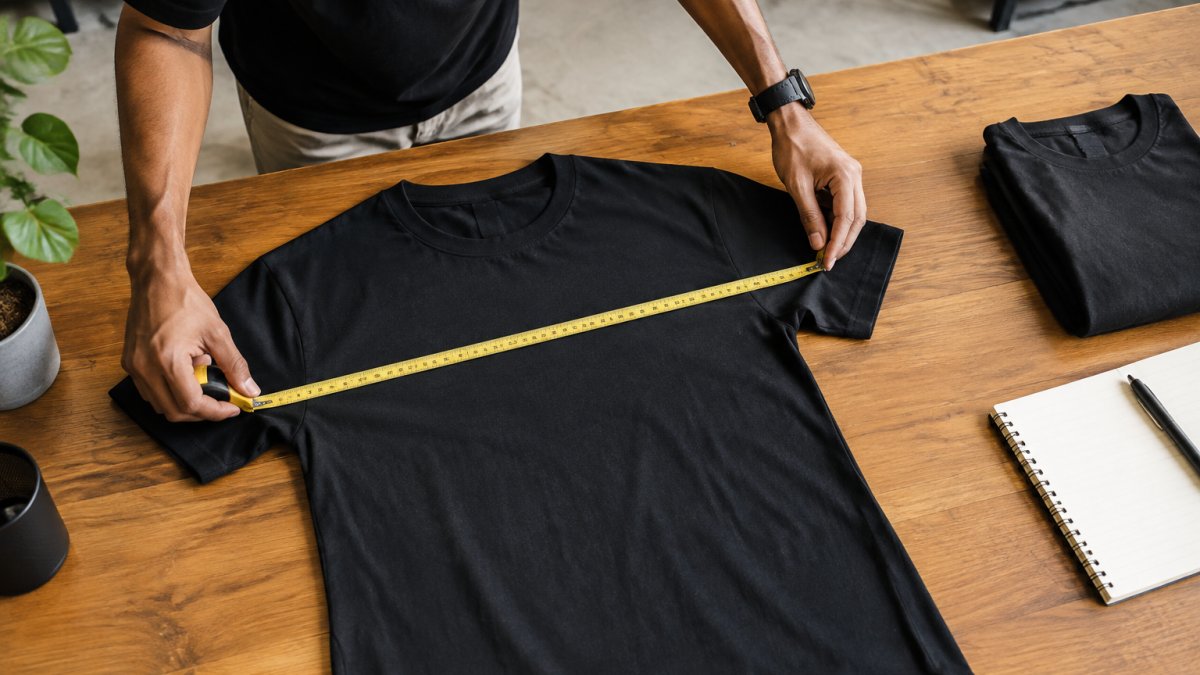
This trick works better than any chart. You are measuring a real shirt that already fits you well.
Pit-to-pit, shoulder width and back length
Three numbers from your own tee tell you almost everything:
- Pit-to-pit: measure across the chest, seam to seam, just below the sleeves. Double it for the full chest.
- Shoulder width: measure seam to seam across the top of the back.
- Back length: measure from the collar seam down to the bottom hem.
Write these down once. Keep them on your phone. Now every size chart becomes readable.
Oversized streetwear sizing: regular, relaxed and loose fit
Oversized streetwear sizing is a deliberate drop, not a random size-up. A true oversized cut is built wider in the chest and shoulder with a longer body. Sizing up in a regular tee gives you a longer shirt, not a wider one.
That distinction matters. Here is how the common fits compare:
| Fit | How it sits | Best for |
|---|---|---|
| Regular | Follows the body with slight ease | Clean, everyday looks |
| Relaxed | A little room through chest and waist | Comfort without bulk |
| Loose | Noticeably wider, dropped shoulder | Layered, casual styling |
| Oversized | Wide chest, longer body, dropped shoulder | Bold statement silhouettes |
The ONECOLOUR tee is cut oversized only, in sizes S to XL. If you want a fitted look, that cut is not for you. If you want the drop-shoulder silhouette, order your usual size.
How to decide when you are between sizes
Being between sizes is normal, so decide with a short process rather than a guess. The label is the least useful piece of information you have; the garment's own measurements and your fit preference should decide it.
Work through these steps in order:
- Confirm what the chart measures. Check whether the numbers are flat garment measurements or body ranges. If they are garment measurements, compare them directly to your body numbers. If they are body ranges, compare them to your body numbers and then add the ease the cut is designed to have.
- Compare the two candidate sizes on the numbers that matter for that garment. For a top, that is pit-to-pit and shoulder width. For a bottom, it is waist and hip. A 2 cm difference at the chest is a noticeably different fit; a 2 cm difference at the waist on a drawstring short is almost irrelevant.
- Apply your fit preference to the gap. If you want a fitted look, take the smaller size when the larger one adds more than about 4 cm of room at the chest. If you want a relaxed or layered look, take the larger size when the smaller one leaves less than 4 cm of ease.
- Check the fabric before you commit. A stretch fabric recovers and can be sized down safely. A stiff cotton or a heavy fleece will not give, so size up for comfort.
- Check the return terms for that specific piece. If the listing allows an exchange, the cost of being wrong is lower and you can follow your preference. If it is final sale, take the size that matches the garment's stated fit rather than the size you wish it were.
A common pattern is that shoppers size up to get a wider chest and end up with a longer body they did not want. If width is what you are after, look for a cut described as relaxed, loose or oversized rather than going up a size in a regular fit.
Watch out: do not average the two sizes or split the difference. Pick the size whose measurements match the silhouette you actually want to wear.
For women weighing an oversized cut, our guide on whether oversized streetwear is flattering for women walks through how the silhouette reads before you commit.
Fabric, stretch and shrinkage: why a size can change after washing
Fabric changes size after washing, and the fibre mix tells you how much. A tee that fits perfectly on day one can feel different after five washes, so it helps to know which fabrics move and in which direction.
Cotton shrinks; synthetics mostly do not. Pure cotton can lose length and width in the first few hot washes as the fibres relax and tighten. A cotton-poly blend shrinks less because the polyester holds the structure. The 220 gsm cotton-poly blend used in our tees holds its shape well, but care still matters.
Stretch fabrics relax rather than shrink. A tee with elastane feels snug when new and gives back a little over a few wears. If you are between sizes in a stretch fabric, the smaller size is usually the safer choice because it recovers its shape.
Fabric weight changes how a garment drapes. A heavier cotton holds a boxy oversized shape; a lighter cotton drapes closer to the body and can look smaller than its measurements suggest. Two tees with the same pit-to-pit number can read very differently on the body because of weight alone.
Shrinkage is mostly heat and agitation. Hot water and tumble drying are the main causes. Cold wash inside out. Do not tumble dry or iron the print, as the care instructions for our graphic tees specify.
A practical check before you order: look at the care label or product description for the fibre content. If it is mostly cotton and you are between sizes, size up and plan to wash cold. If it has stretch, your usual size will usually settle correctly after a wear or two.
Want the full routine? Read how to keep streetwear shape after washing for the wash-and-dry steps that protect both fit and print.
Checking your size before you order from 404Wear
Before you order from 404Wear, match your body numbers to the size chart on each product page, then check the fit label.
The Gimme The Loot tee comes in regular or oversized fit, in sizes S to 2XL. The IIMPACT Lifestyle T-Shirt runs XS to 2XL. ONECOLOUR is oversized only, in sizes S to XL.
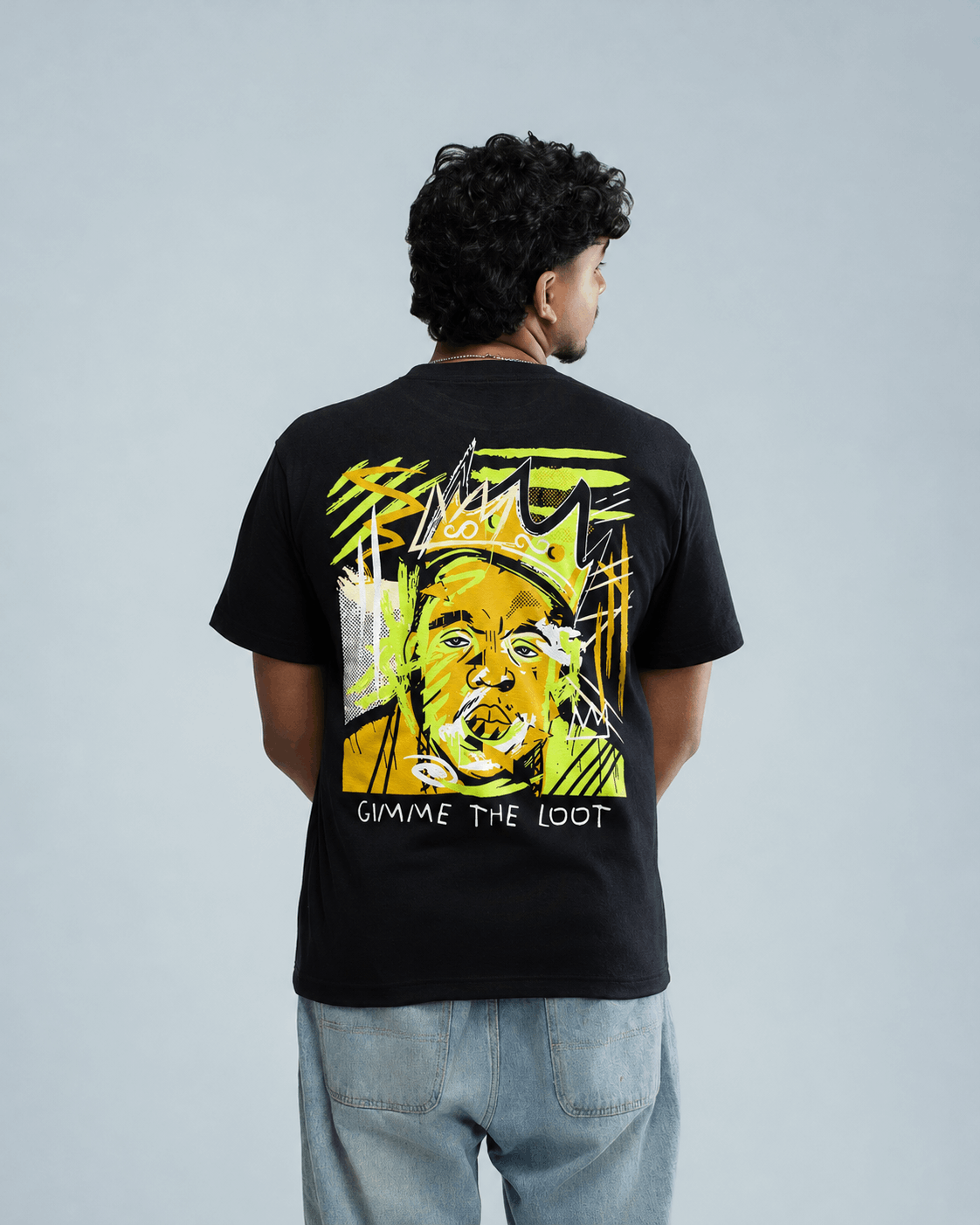
Browse our lifestyle T-shirts to compare cuts and check each size chart before you commit.
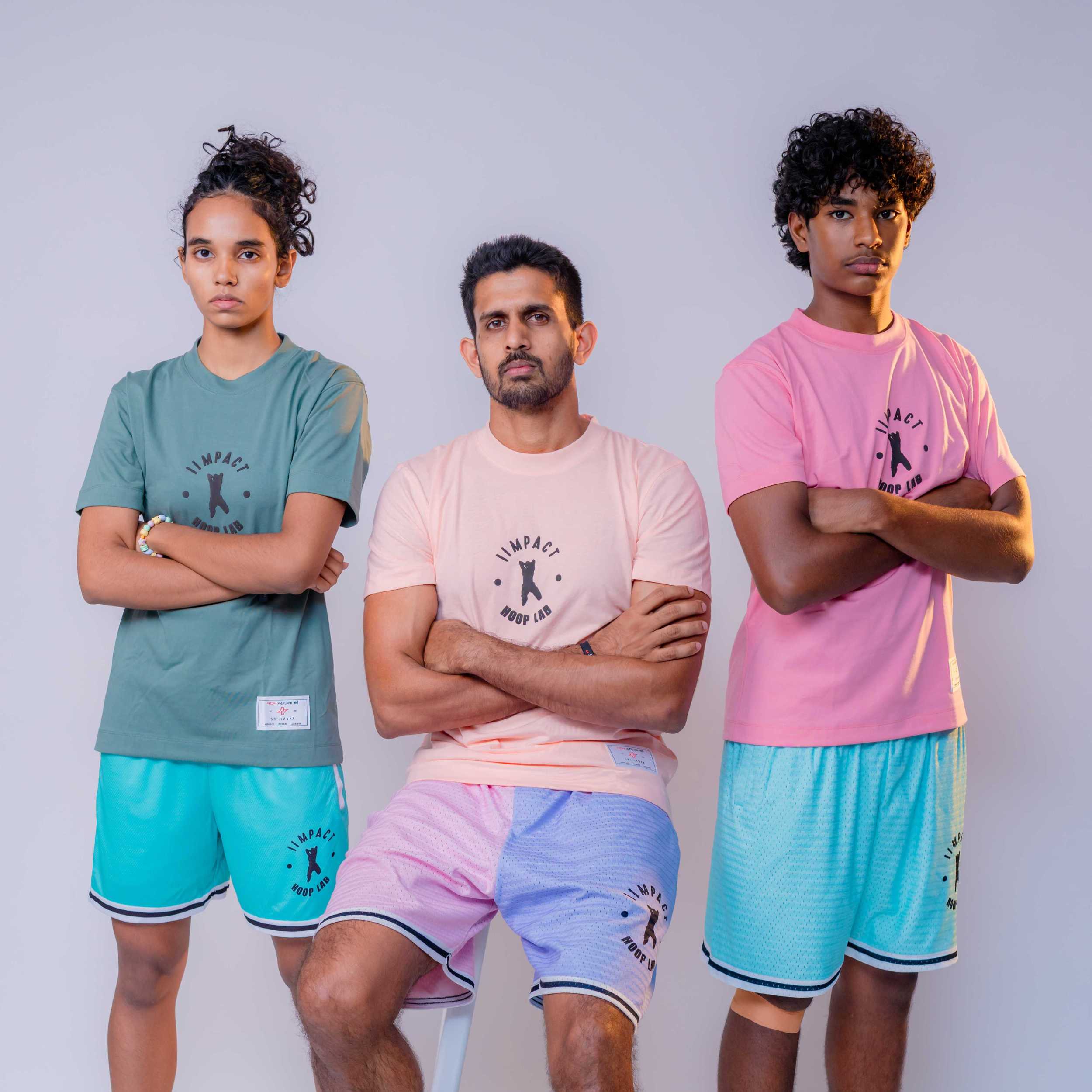
Sizing online should not feel like a gamble. We built 404Wear to make bold streetwear that fits the way you intend, with clear fit labels on every piece. Shop clean silhouettes, strong graphics and breathable fabrics made for everyday wear. Get started with 404Wear and lock in the right size the first time.
Frequently Asked Questions
Should I size up for an oversized streetwear fit?
Not automatically. If a piece is already cut oversized, your normal size gives you the intended look, and sizing up just makes it longer and wider through the shoulders. Check the garment measurements in the size chart first: if the pit-to-pit and back length already sit looser than a tee you own and like, stay with your usual size. Only size up when the chart shows a regular cut and you want a baggier silhouette, and remember that a heavier 220 gsm cotton-poly blend drapes differently from a thin tee.
Do streetwear sizes vary between brands?
Yes, often by a full size or more. Two brands can both label a tee medium while one measures 50 cm pit-to-pit and the other 56 cm. US sizing, unisex sizing and Asian cuts also convert differently, so a medium in one chart is not a medium in another. The fix is to ignore the letter on the label and compare centimetres: measure a tee that fits you well, then match those numbers against each brand's garment measurements before you order.
What measurements should I check before ordering a T-shirt online?
Four numbers cover most of it: chest (pit-to-pit), shoulder width, back length and sleeve length. For hoodies, add the waist and hip measurement so the hem does not sit tight. Write your own body measurements down once, then compare them with the garment measurements on the product page rather than the body size chart alone. If the difference between your chest and the shirt's pit-to-pit is under 4 cm, the fit will be close and fitted rather than relaxed.
What if I am between sizes and the fit still feels wrong when it arrives?
Try the piece on with the layers you actually wear before washing it. Before reordering, measure the returned garment flat and note the numbers, so your next order from that brand is based on real centimetres instead of guesswork. Keep the tags on until you have decided.


