


Last Updated: November 22, 2026
Quick Summary
Streetwear construction is the single biggest predictor of longevity, so inspect fabric weight in GSM, double-locked seams at stress points, and collar recovery before buying. A 300gsm cotton tee with double-locked seams survives years of washing, while single-stitched side seams and a flimsy ribbed collar start unraveling in months.
- Fabric weight is measured in grams per square metre, with heavyweight tees at 240 GSM and up.
- Turn garments inside out and check for double-locked seams at armholes, side seams and trouser crotch.
- Stretch the ribbed collar and release it; it should snap back flat within a second or two.
- A garment that fails two or more checklist stages is a walk-away, however good it looks.
- Ask sellers for GSM, seam type and shrinkage, and check return windows cover fit issues.
Table of Contents
- Why Streetwear Construction Decides How Long a Piece Lasts
- Streetwear Fabric Quality: Weight, Composition and Weave
- Streetwear Stitching and Seams: What to Inspect Up Close
- How to Check Hoodie Quality: Collar, Cuffs and Hardware
-
The Garment Quality Checklist for a Step-by-Step Inspection
- Stage 1: Read the Label Before You Touch the Garment
- Stage 2: Measure Fabric Weight Against Garment Type
- Stage 3: Inspect Seams and Stitch Density Up Close
- Stage 4: Test Collar, Cuff and Hem Recovery
- Stage 5: Check Hardware and Finishing
- Stage 6: Score and Decide
- Garment-Specific Checks
- Objective Tests You Can Run Without Equipment
- Assessing Construction Quality From Online Listings
- Care, Repair and Long-Term Performance in Tropical Humidity
- Shop New Arrivals Built to Pass Every Construction Check
- Frequently Asked Questions
Why Streetwear Construction Decides How Long a Piece Lasts
A heavyweight hoodie that feels dense on the shelf can still fall apart within months if its seams are weak. Fabric gets the attention; stitching decides the outcome.
Streetwear construction is the single biggest predictor of longevity. Readers comparing premium graphic apparel construction can see how this brand's approach differs from a known alternative.
Streetwear Fabric Quality: Weight, Composition and Weave
Streetwear fabric quality starts with three measurable things: weight, composition, and weave. Fabric weight is measured in grams per square metre (GSM). A lightweight tee sits in a lighter weight range, a midweight in the middle, and a heavyweight streetwear piece is considerably heavier. Heavier fabric drapes with more structure, resists transparency, and holds its shape through repeated washing.
Composition matters just as much. Pure cotton breathes well and takes prints cleanly, cotton twill gives a denser, more durable surface for pants and jackets, and blends with a small percentage of elastane add stretch and recovery. A loosely spun heavyweight cotton pills faster than a tightly knit midweight one.
Reading Fabric Weight and Composition Labels
A label that lists weight and fiber content is a brand confident in its materials. Look for weight figures stated openly, and check fiber percentages rather than a vague "cotton blend." Feel the fabric: it should be smooth, dense, and consistent, with no thin patches when held to light.
Streetwear Stitching and Seams: What to Inspect Up Close
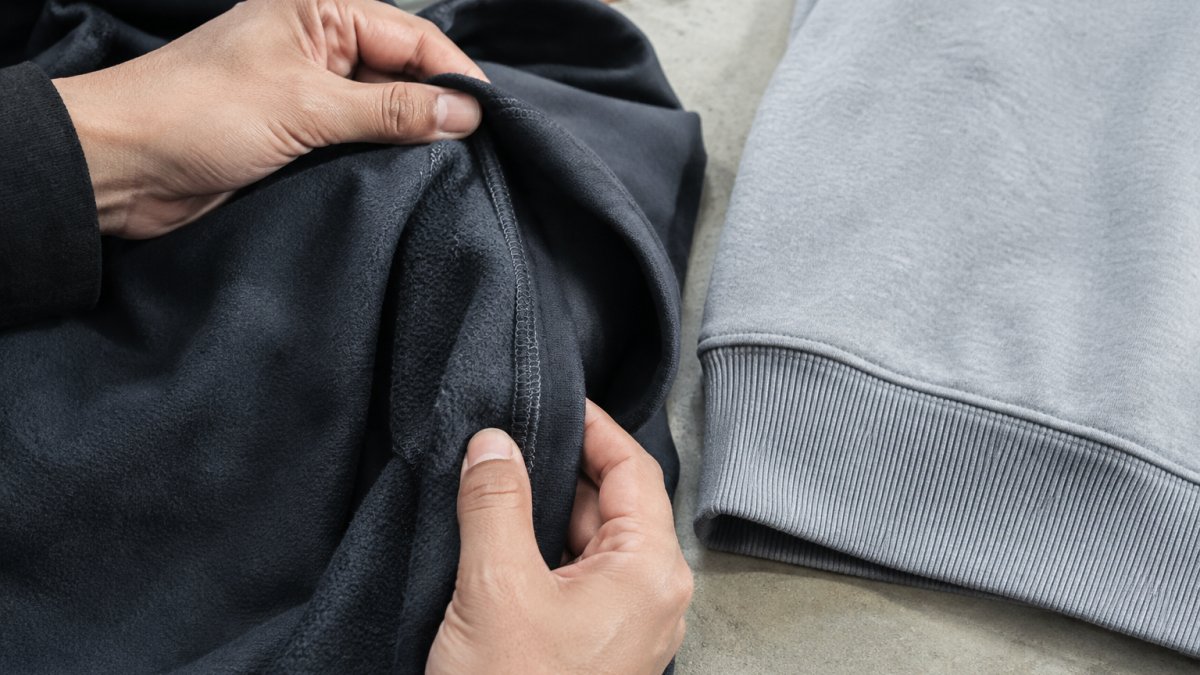
Streetwear stitching and seams are where quality standards become visible. Turn the garment inside out. You want tight, even stitching with no loose threads, skipped stitches, or puckering.
Stitch Density, Consistency and Reinforced Stress Points
Stitch density is the number of stitches per inch, and higher density generally means a stronger seam. Consistency is the tell: a seam that starts tight and loosens toward the hem suggests rushed production. Check that bar tacks or box stitching reinforce pocket corners and fly openings, cheap to add and expensive to skip.
How to Check Hoodie Quality: Collar, Cuffs and Hardware
To check hoodie quality, focus on the three areas that fail first: the collar, the cuffs, and the hardware. A ribbed collar with good shape retention should snap back flat when you stretch it and release. If it stays stretched or looks wavy, it will sag after a few washes. Cuffs and hem bands should be tightly ribbed and firmly attached, not thin and loose.
Hardware is the finishing detail most buyers overlook. Zippers should glide without catching, and metal pulls should feel solid rather than hollow. Drawcord eyelets should be cleanly set, not fraying the fabric around them. Quality hardware signals a brand that thought about how the garment behaves after purchase.
The Garment Quality Checklist for a Step-by-Step Inspection
Most construction guides give you a list of things to look at, but rarely a repeatable sequence, measurable thresholds, and garment-specific checks. Work through this checklist in order, score each line, and use the thresholds to decide.
Stage 1: Read the Label Before You Touch the Garment
Start with the care and composition label, the cheapest quality signal available. You want stated fiber percentages, not a vague "cotton blend," and a stated fabric weight in GSM where the garment type supports it. If the label hides composition or gives no weight, note it as a negative mark.
Stage 2: Measure Fabric Weight Against Garment Type
Fabric weight is only meaningful relative to the garment. Use these working ranges as benchmarks, not absolutes:
| Garment | Lightweight | Midweight | Heavyweight |
|---|---|---|---|
| T-shirt | 140-160 GSM | 180-220 GSM | 240 GSM and up |
| Hoodie / sweatshirt | 240-280 GSM | 300-340 GSM | 360 GSM and up |
| Jersey / long sleeve | 160-180 GSM | 200-220 GSM | 240 GSM and up |
Lightweight
For woven trousers and jackets, weight is often expressed in a different unit than GSM, so compare like with like. A heavyweight number on a loosely knit cloth still pills and loses shape, so pair the weight check with a hand-feel check.
Stage 3: Inspect Seams and Stitch Density Up Close
Turn the garment inside out. You are looking for three things: seam type, stitch consistency, and reinforcement. Double-locked or double-needle seams distribute stress better than a single row, and you should see them at side seams, armholes, and the crotch of trousers. A tight, controlled seam is generally recognisable by its consistent stitch density.
Stage 4: Test Collar, Cuff and Hem Recovery
Stretch the ribbed collar and release it. It should snap back flat within a second or two; if it stays stretched or looks wavy, it will sag after a few washes. Do the same with cuffs and hem bands. On hoodies, check that the hood lining and drawcord channel are finished rather than raw, because raw edges fray first.
Stage 5: Check Hardware and Finishing
Run every zipper through its full length. It should glide without catching, and metal pulls should feel solid rather than hollow. Eyelets should be cleanly set without fraying the surrounding fabric, and snap buttons should engage with a firm click. Finishing is the last check: clean hems, no loose threads, no puckering, and prints that sit flat without cracking at the edges.
Stage 6: Score and Decide
Score each stage pass or fail. A garment that fails two or more stages is a walk-away, regardless of how good it looks on a hanger. A garment that passes stages 1-4 but fails only finishing is usually fixable or negotiable; one that fails fabric weight or seam construction is not.
Garment-Specific Checks
The same six stages apply across streetwear, but the failure points differ by garment type:
- Hoodies and sweatshirts: prioritize collar and cuff recovery, hood lining finish, and whether the kangaroo pocket is bar-tacked at the corners. Check that the drawcord channel is a separate piece rather than a slit cut into the body.
- T-shirts: prioritize fabric weight against the stated GSM, shoulder-to-shoulder taping, and whether the neck rib is a separate ribbed band rather than a folded self-fabric strip, which twists after washing.
- Jackets: prioritize zipper quality, storm-flap stitching, and lining attachment at the armholes and hem. Check that pocket bags are reinforced where they meet the side seam.
Objective Tests You Can Run Without Equipment
You do not need a lab to get measurable signals. A few simple tests separate construction quality from marketing:
- Light test: hold the fabric up to a window. You should not see your hand clearly through a heavyweight knit; if you do, the weight claim is suspect.
- Stretch-and-release: stretch the collar, cuffs, and waistband and time the recovery. Slow recovery predicts sagging.
- Seam rub: rub the inside seam between thumb and forefinger. A tight, even seam feels smooth; a loose one feels ridged and catches.
These tests are not a substitute for handling the garment, but they give you observations to compare against a listing's claims.
Assessing Construction Quality From Online Listings
Online shopping removes your hands, so you have to replace touch with evidence. Construction quality leaves a paper trail: product photos, specification sheets, seller answers, and return terms.
Read the Product Photos Like an Inspector
Zoom into every image and look for the shots that reveal construction. The Ferrari Racing Blueprint T-Shirt listing shows how fabric, fit and construction details are presented online, letting you apply this inspection advice to a real product page. A brand confident in its build usually photographs close-ups of seams, collars, cuffs, and hardware, because those are the details that sell quality. Look for:

- Inside-out shots: a photo of the inside seam tells you more than any front-facing image. You want to see double-stitched or double-locked seams, clean overlocking, and no loose threads.
- Collar close-ups: a separate ribbed collar band photographed flat and even is a good sign; a collar that looks wavy or twisted in the photo will only get worse.
- Hardware shots: zipper pulls, eyelets, and snap buttons photographed in focus suggest the brand is proud of them. Blurry or absent hardware shots are a warning.
Watch out: lifestyle photos styled to hide seams and hardware are common, so if every image is a full-body shot at an angle, you are not being shown the construction.
Read the Specification Sheet, Not the Marketing Copy
A specification sheet lists fiber content, fabric weight, and construction details in plain terms; marketing copy talks about "premium quality" without numbers. Prioritize listings that state GSM, fiber percentages, and seam type, and check any weight against the garment-type benchmarks above.
Ask the Seller the Right Questions
If the listing is thin, ask directly. Good sellers answer construction questions without hesitation. Useful questions include:
- What is the fabric weight in GSM, and is it stated on the care label?
- Are the side seams single-stitched or double-locked?
- Is the collar a separate ribbed band or a folded self-fabric strip?
A seller who cannot answer these is either uninformed or evasive, and both are reasons to hesitate. A seller who answers with specifics and offers a clear return policy is giving you quality assurance you cannot get from photos alone.
Check the Return and Exchange Terms
Return policy is part of construction assessment, because it tells you how much risk the seller is willing to carry. Look for a window long enough to wash and wear the garment once, and check whether it covers fit and change-of-mind returns or only manufacturing defects. Read the exchange terms for sale items too.
Compare Listings Against Each Other
The fastest way to calibrate is to open three listings side by side and score them on the same criteria: photo detail, specification completeness, seller responsiveness, and return terms. The listing that publishes GSM, shows inside seams, answers construction questions, and offers a fair return window is almost always the better-built garment.
Care, Repair and Long-Term Performance in Tropical Humidity
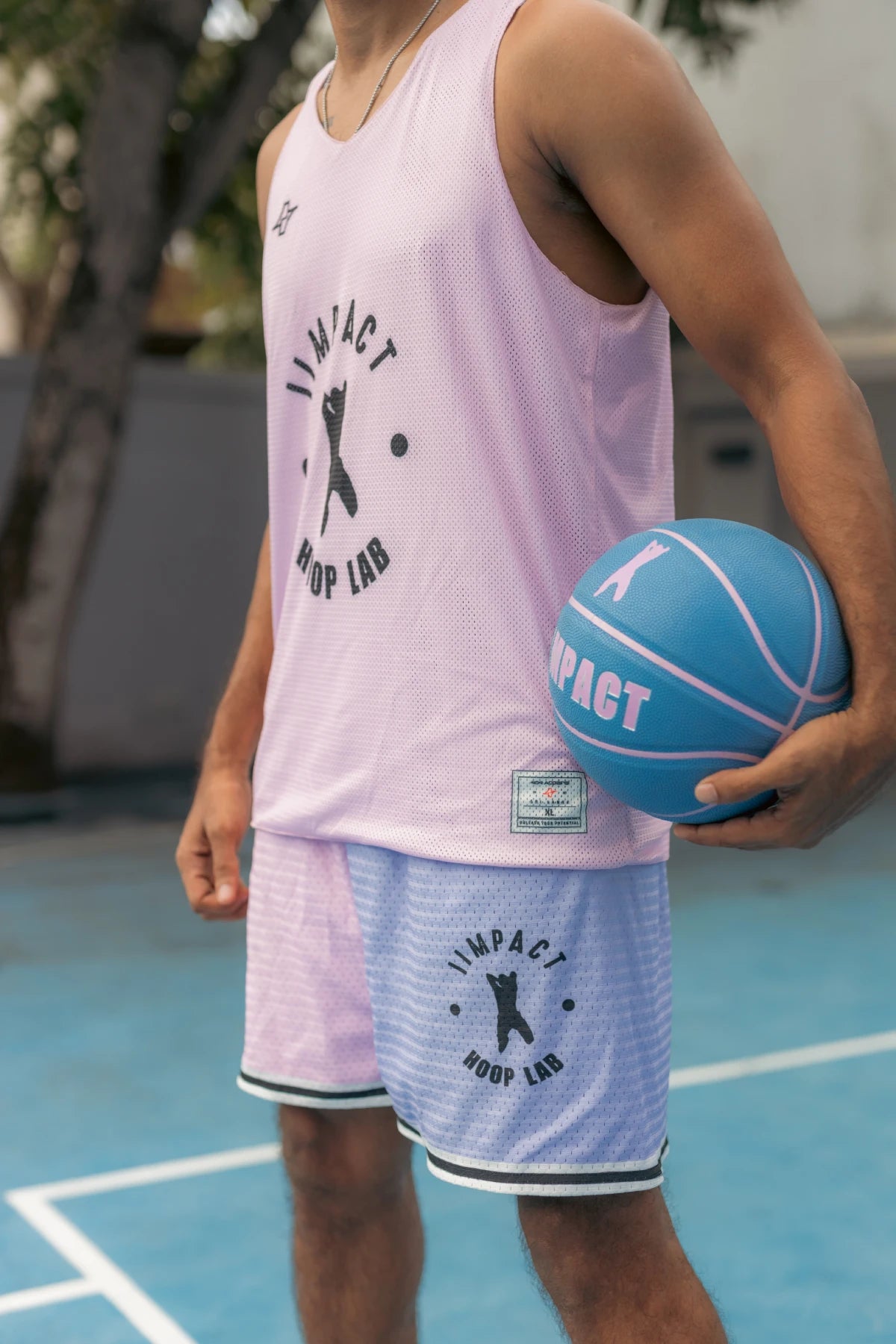
Humidity is hard on garments. Damp air encourages mildew, and frequent washing in warm conditions stresses seams and prints. Wash heavyweight pieces inside out in cool water, skip the tumble dryer, and dry them in shade rather than direct sun to protect both fabric and graphics. Lightweight options like the Impact Lifestyle Shorts Pastel Pink Blue Edition are built with hot, humid conditions in mind.
Shop New Arrivals Built to Pass Every Construction Check
Every check in this guide exists for one reason: to help you buy pieces that last.
Put the checklist to work on our latest drops.
Ready to wear streetwear that passes the inspection? 404Wear offers premium fabrics for everyday comfort, secure payments, and free shipping on bold pieces built to last.
Frequently Asked Questions
How can you tell if streetwear is high quality?
Start with the fabric: check the weight and composition on the label, then feel the hand feel and look for a tight, even weave. Move to streetwear stitching and seams, turning the garment inside out to check stitch density and whether stress points are reinforced. Finish with the collar, cuffs, zips and prints. A piece that passes all three stages, fabric, seams and finishing, is built to hold its shape through repeated washing rather than falling apart after a few wears.
Are heavier fabrics always better quality?
No. Heavier fabric usually means more durability and better drape, but weight alone does not guarantee quality. A heavy cotton with a loose weave can still pill and lose shape. Look at fabric composition and weave alongside weight, and match the weight to the garment: a heavyweight cotton twill suits structured pieces, while a lighter breathable knit works better for everyday wear in tropical heat. Construction, especially seam strength and reinforcement, matters as much as the grams per square metre.
What should you look for in a well-made hoodie?
When you check hoodie quality, inspect four things. First, the collar: a ribbed collar with good shape retention should spring back when stretched. Second, the seams: double-locked or reinforced stitching at the shoulders, armholes and side seams. Third, the cuffs and hem: ribbing that recovers rather than staying stretched. Fourth, the hardware: zips that run smoothly and drawcord eyelets that are properly finished. Also check that any print or embroidery sits flat, with no cracking or loose threads at the edges.
What are the signs of poor clothing construction?
Warning signs include loose, uneven or skipping stitches, single-stitched seams at high-stress points, fraying thread ends, puckered seams and hems that twist after washing. Collars that stay stretched out, prints that crack at the first wash, and hardware that feels flimsy or catches are also red flags. Run through a garment quality checklist before buying: turn the piece inside out, stretch the collar and cuffs gently, and inspect the stress points. If several of these checks fail, the garment will not last.
How do you assess construction quality when shopping online?
Zoom into listing photos for close-ups of seams, collars and hardware, since brands confident in their construction usually show them. Read the fabric weight and composition in the product description rather than relying on the main image. Check reviews for comments about shape retention, print durability and sizing consistency after washing. Ask the brand directly about stitch types and reinforcement if the details are missing. A brand that answers specifically, rather than with vague claims about premium quality, is usually the safer buy.
How should you care for streetwear so it keeps its shape in humid conditions?
Wash heavyweight cotton inside out in cold water and skip the tumble dryer, which breaks down fibres and shrinks ribbing. Dry pieces flat or on a hanger in shade rather than direct sun. Store folded rather than on thin wire hangers to protect collar integrity. In high humidity, make sure garments are fully dry before storing to prevent mildew, and air pieces between wears. Repair loose seams early with a simple stitch, since small fixes stop stress points from unraveling into larger tears.


