


Last Updated: November 14, 2026
Quick Summary
Buying local streetwear keeps more of your money in your own community, supports nearby businesses and jobs, and gives you clearer insight into how clothes are made. Local brands can also offer shorter supply chains, more transparent sourcing and fits built around their own customers.
- Each rupee spent with a local label tends to stay closer to home, paying designers, printers and stitching units.
- A label saying 'made locally' may still import blank garments, so ask where each garment is cut and sewn.
- Ask which production steps happen locally, whether partners are named, and how they are paid or treated.
- Shorter supply chains can reduce transport emissions and packaging, but fabric choice and dyeing matter too.
- Compare cost per wear rather than upfront price, since a durable tee can cost less per outing over time.
Table of Contents
- Why Local Streetwear Brands Are Worth a Closer Look
- How Buying Local Supports the Local Economy and Jobs
- Shorter Supply Chains, Lower Transport Emissions and Less Waste
- Local Clothing Brands vs Global Brands: What You Actually Get
- Sustainable Streetwear Brands: How to Judge the Claims
- How to Support Local Designers and Streetwear Culture
- Where to Start: Shopping 404Wear's New Arrivals
- Frequently Asked Questions
Streetwear in Sri Lanka has gone well beyond imported labels, and 404Wear is one of the local brands leading that shift. This guide from 404Wear looks at what you actually gain when you buy local streetwear, from the economy and the environment to the way the clothes fit and last. The global streetwear market was estimated at USD 201.2 billion in 2026 and is forecast to reach USD 307.7 billion by 2032 (Mordor Intelligence, Streetwear Market Size, Share & 2032 Growth Outlook). That growth is worldwide, so it says little about the choices a buyer in Sri Lanka faces at checkout. The real question is what a local label offers that a global one does not.
Why Local Streetwear Brands Are Worth a Closer Look
Buying local streetwear puts your money into a business that lives in your own community. The PwC Strategy& fashion retail trends for 2026 point to traceability and transparency as priorities for retailers, and local brands can usually show more of their supply chain than a global label with dozens of intermediaries.
If you want to see what is shaping the scene here right now, our anchor words covers the trends worth watching.
How Buying Local Supports the Local Economy and Jobs
Every rupee spent with a local label tends to stay closer to home. It pays a designer, a printer, a sample maker and a stitching unit, and those payments move through nearby businesses. That is the basic logic of keeping money circulating in a community, and it is the main reason local purchasing is often framed as an economic act.
The economic case has limits, though. Local production does not automatically mean better wages or safer workplaces, and a small brand can still rely on imported fabric or outsourced printing. Ask a brand where its garments are actually made and who makes them before assuming the local label does all the good you hope for.
Watch out: a label that says 'made locally' may still import blank garments and only print them here. That is a legitimate model, but it changes how much of your rupee stays in the local production chain, so ask whether the garment itself was cut and sewn locally or only decorated locally.
A practical way to judge the economic benefit is to ask three questions before you buy. First, which steps happen locally, design, cutting, sewing, printing, finishing? Second, does the brand name its production partners or at least describe them? Third, does it publish anything about how those partners are paid or treated? A brand that can answer the first two and is honest about the third is giving you more than most global labels ever will.
The PwC Strategy& fashion retail trends for 2026 point to traceability and transparency as priorities for retailers, and a small local brand can usually show more of its supply chain than a global label with dozens of intermediaries.
If you want to see what is shaping the scene here right now, our anchor words covers the trends worth watching.
Shorter Supply Chains, Lower Transport Emissions and Less Waste
Shorter supply chains mean fewer kilometres between the factory and your wardrobe. Less transport generally means fewer greenhouse gas emissions and less packaging, and a brand that produces closer to its customers can respond to demand without overproducing. Overproduction is one of the biggest sources of unsold clothing that ends up wasted.
Be careful with the claim, though. A local product can still travel a long way in its raw materials, and distance alone does not measure environmental impact. A shorter route helps, but fabric choice, dyeing and how long a garment is worn matter just as much.
Local Clothing Brands vs Global Brands: What You Actually Get
The practical difference shows up in fit, fabric and the willingness to change a design based on feedback. A global label may offer a wider range of sizes and a bigger returns system, while a local brand often offers a narrower range built around a specific look and customer.
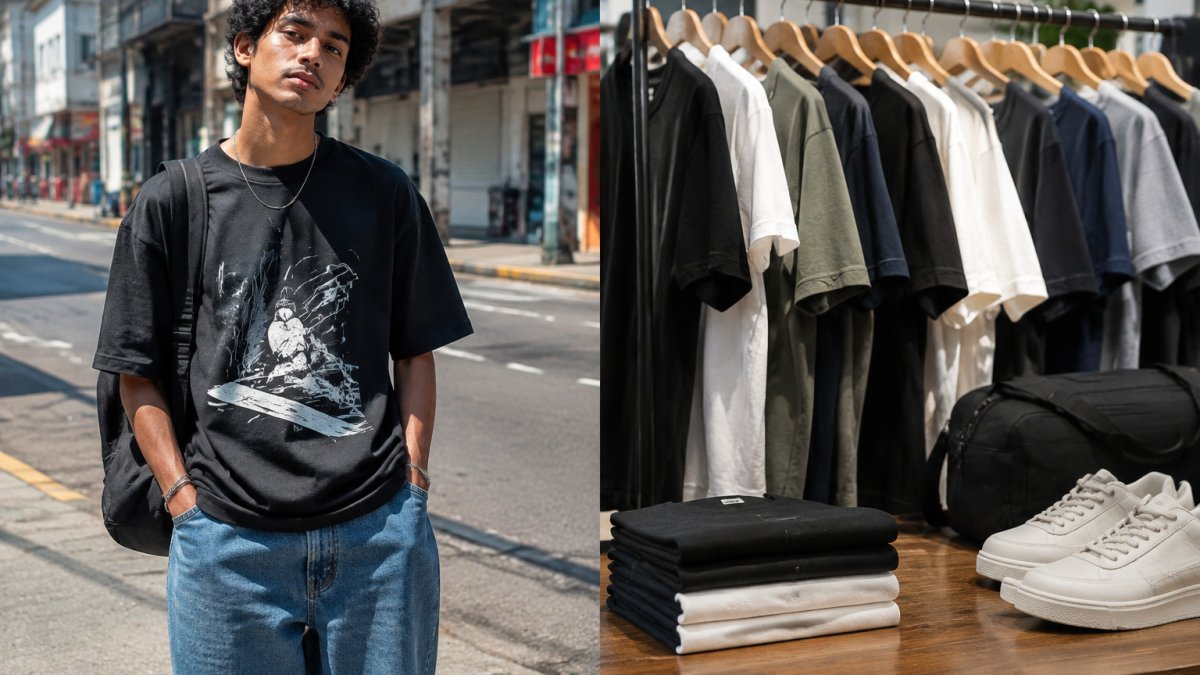
At 404Wear, our graphic tees use a 220 gsm cotton-poly blend in regular or oversized fits, with sizes from S to 2XL on most designs. Care is simple: wash cold, inside-out, and do not tumble dry or iron the print.
Price is the other half of the comparison. Our graphic tees are priced at LKR 3,800.00, and our ONECOLOUR tee is LKR 1,990.00. Set those against the imported labels you already buy, and judge them on cost per wear: a tee you wear for years can cost less per outing than a cheaper one that loses its shape after a few washes.
Sustainable Streetwear Brands: How to Judge the Claims
Sustainability claims are easy to make and hard to check. When you read them, ask specific questions. What fibres are used, and how much of the material is recycled or certified? Where is each step of production done? Does the brand publish any information about working conditions?
Look for detail rather than slogans. A brand that names its fabric weight, its print method and its production location is giving you something you can test. A brand that only says "eco-friendly" is not.
For streetwear specifically, the evaluation should go beyond the word 'sustainable' and into the details that actually determine impact and value. A useful framework has five checks.
1. Fabric and weight. A heavier cotton or cotton-poly blend (for example, 220 gsm) generally lasts longer than a thin, loosely knit jersey, which means fewer replacements and lower cost per wear. Ask whether the cotton is locally milled or imported, and whether any recycled fibre is used. Neither answer is automatically better, imported organic cotton can outperform local conventional cotton on impact, but the brand should know the answer.
2. Construction and print durability.
3. Sourcing and labour transparency.
4. Production volume and drops. Small runs reduce overproduction, which is one of the largest sources of wasted clothing. Ask whether the brand produces to order, runs limited drops, or holds large stock. Limited drops can be more sustainable, but they also create scarcity and sizing gaps, a trade-off worth knowing about.
5. Price, cost per wear, and repairability. A higher upfront price is not automatically better value. Compare cost per wear: a tee worn 100 times at LKR 3,800.00 costs LKR 38.00 per wear, while a cheaper tee that loses shape after 20 washes costs more per outing if you replace it three times. Ask whether the brand offers repairs, replacements, or resale, and whether the fabric and print can survive repeated washing.
Watch out: 'local' and 'sustainable' are not the same claim. A local brand may still use conventional dyeing, imported fabric, or high-volume production. A shorter transport route helps, but fabric choice, dyeing method, and how long a garment is worn matter just as much, sometimes more.
A practical way to use this framework is to pick one claim the brand makes and test it. If it says 'heavyweight cotton', check the gsm. If it says 'local production', ask which steps are local. If it says 'limited run', ask how many pieces were made. Brands that welcome those questions are usually the ones worth backing; brands that deflect them are telling you something too.
Finally, judge the brand on how long its clothes stay in your rotation. The most sustainable streetwear purchase is usually the one you wear for years, repair when needed, and pass on or resell rather than discard. That standard favours pieces with honest specifications, durable construction, and a fit you will actually reach for, which is exactly what a well-run local label should be able to offer.
The article lists five checks for judging a streetwear brand's sustainability claims, which you can use as a quick reference.
| Check | What to ask | Why it matters |
|---|---|---|
| Fabric and weight | Is the cotton locally milled or imported? Is any recycled fibre used? | A heavier fabric like 220 gsm generally lasts longer |
| Construction and print durability | Can the fabric and print survive repeated washing? | Fewer replacements mean lower cost per wear |
| Sourcing and labour transparency | Which production steps are local? Are production partners named? | Local does not automatically mean fair or low-impact |
| Production volume and drops | Is the brand made to order, in limited drops, or holding large stock? | Overproduction is a major source of wasted clothing |
| Price, cost per wear and repairability | Does the brand offer repairs, replacements or resale? | A higher price can still be better value per wear |
How to Support Local Designers and Streetwear Culture
Supporting local designers goes beyond buying one piece. Follow the brands you like, share their work honestly, and tell them what you want to see next.
Buy with some intention too. A smaller number of well-made pieces you actually wear will do more for a local label, and for your wardrobe, than a rapid pile of impulse buys.
Where to Start: Shopping 404Wear's New Arrivals
If you are ready to shop, the anchor words lets you judge one of our pieces in detail, including fit and fabric. The anchor words is another signature design from the range and a good place to start if you want bold graphics.
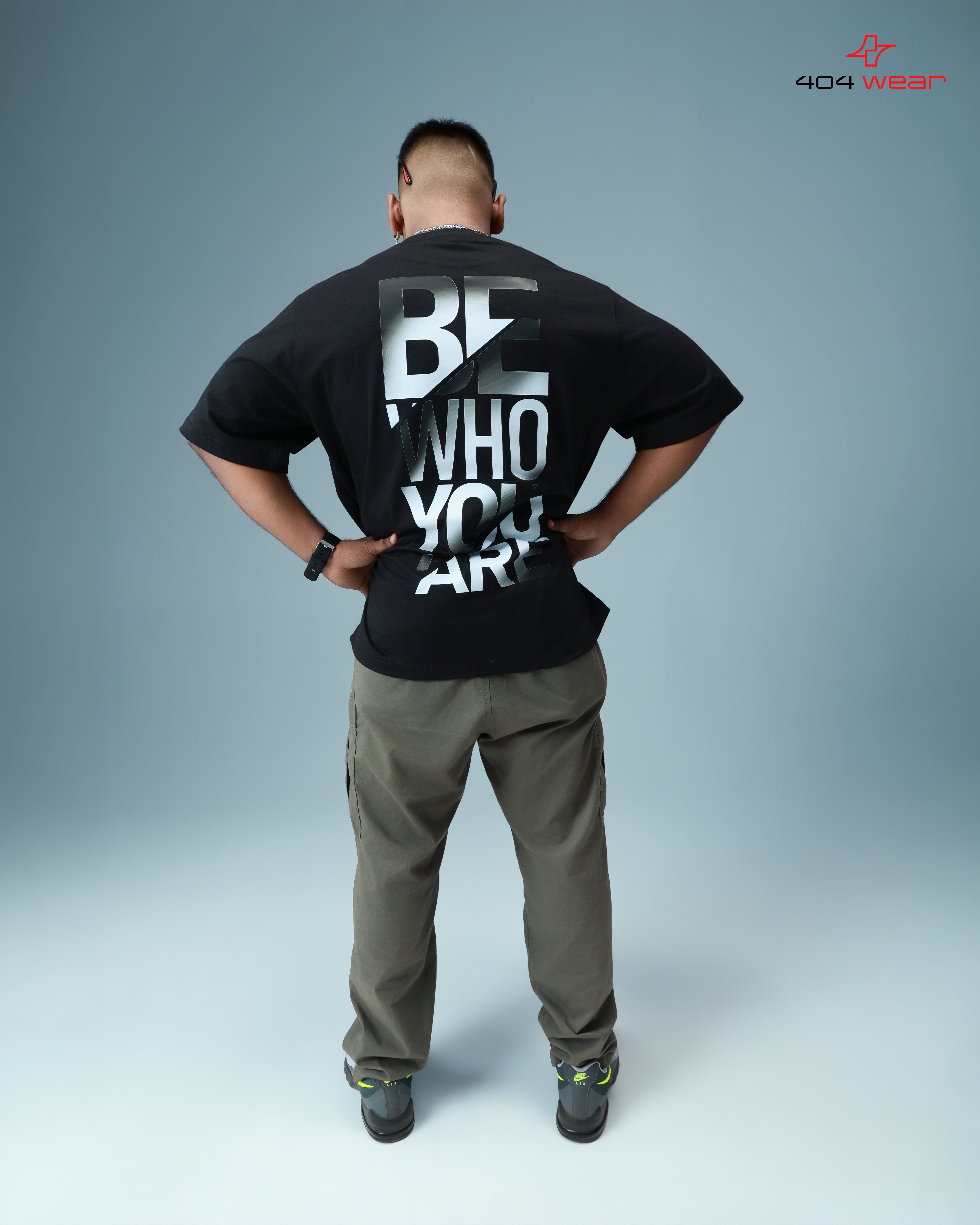
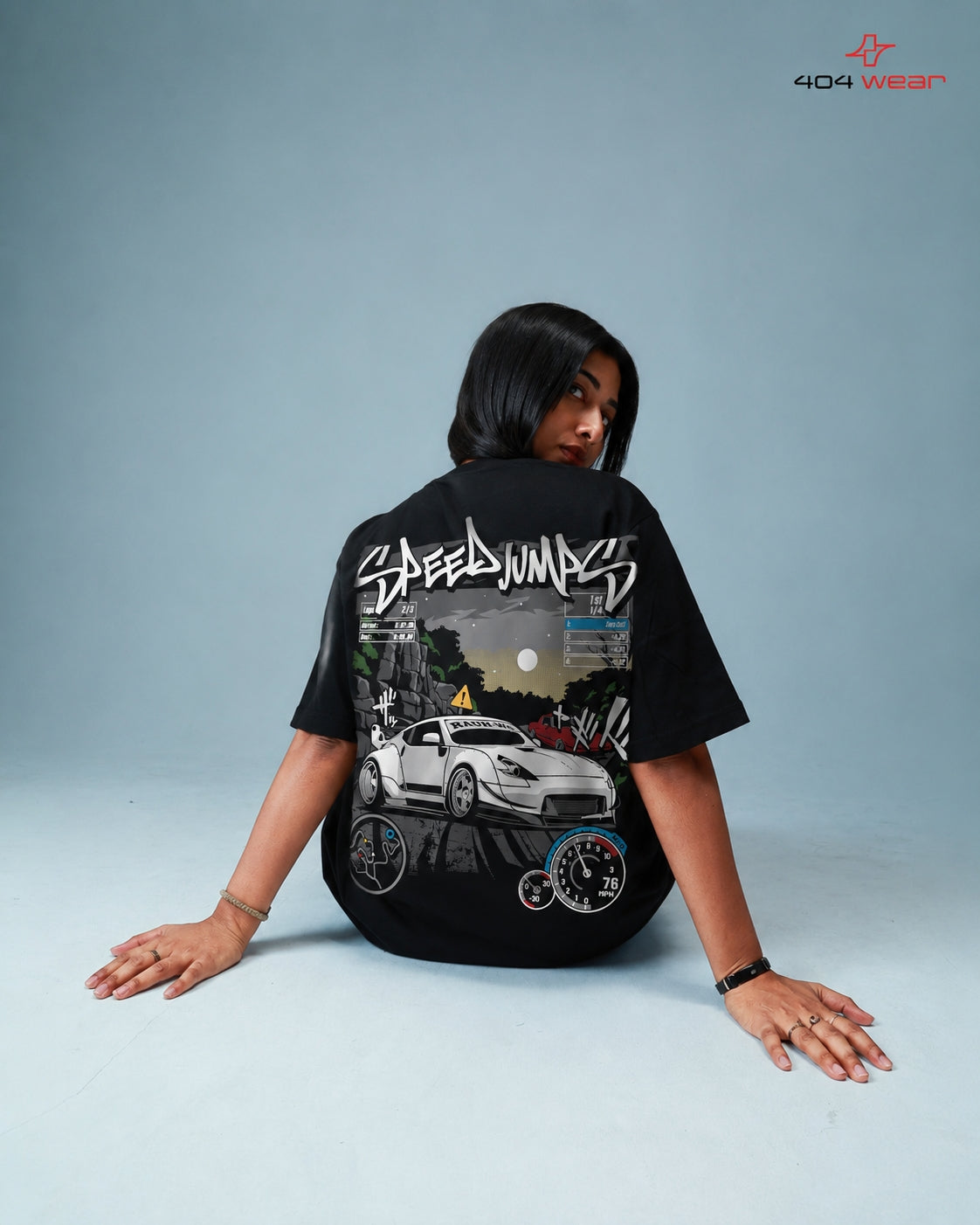
Start with a piece you will wear often. Check the size notes on each product page, since our regular and oversized fits differ, and choose the one that suits how you dress. Once you know what fits, the rest of the collection is easier to build around.
Buying local streetwear is a choice to back a business that answers to its own community. It will not solve every problem with the fashion industry, but it does give you more control over what you wear and who benefits. Look at the specifications, ask the questions that matter, and choose the pieces that you will still be wearing a year from now.
Frequently Asked Questions
What are the benefits of buying from local streetwear brands?
Local streetwear brands keep spending inside the country, which supports local jobs and small production teams. Shorter supply chains usually mean less transport distance and fewer resources used per piece. At 404Wear, graphic tees such as the Hip-Hop and BACKBOARD designs are priced at LKR 3,800.00, with the ONECOLOUR tee at LKR 1,990.00, so you can see exactly what you pay for.
Is buying from local clothing brands more sustainable?
It can be, but it is not automatic. Local origin alone does not prove sustainability, though. Look at fabric choice, durability, care instructions and whether a brand explains its production clearly. A well-made 220 gsm cotton-poly tee that you wear for years usually does more good than a cheap piece you replace every season.
How does buying local fashion support the community?
Money spent with a local brand tends to stay in the local economy longer, paying designers, printers, tailors and staff who then spend it locally themselves.
How can I tell whether a local streetwear brand is worth buying?
Check the fabric weight and composition, the print method and the care instructions. Look for clear sizing charts, a stated return policy and secure payment options. Compare cost per wear rather than the sticker price alone: a LKR 3,800.00 tee worn often for a year can cost less per use than a cheaper piece that breaks down after a few washes.


